
Step 1 — Check Whether the Decking Is Worth Restoring
Before cleaning or refinishing, inspect the decking for signs of deterioration.
Look for:
- Soft or rotten boards.
- Loose or damaged fixings.
- Excessive movement.
- Damaged steps or handrails.
- Areas that feel unstable.
- Splintering and surface wear.
Where structural safety is uncertain, arrange a competent assessment before using or restoring the deck.
Step 2 — Remove Loose Debris
Leaves, dirt and other debris can accumulate between decking boards and around edges. Remove loose material carefully without damaging the timber. Avoid forcing tools into gaps or disturbing electrical installations and fixtures.
Step 3 — Clean the Decking
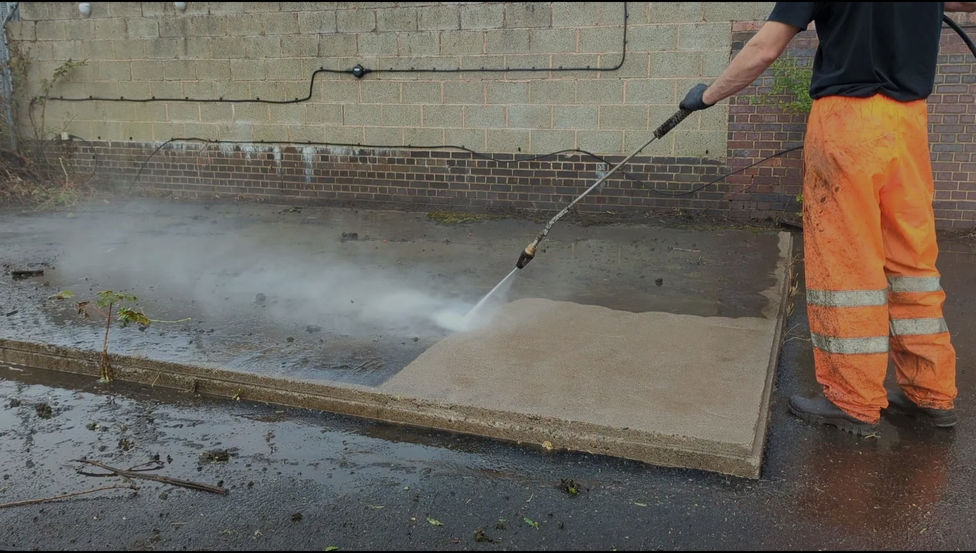
Cleaning helps remove surface dirt, algae and other contamination. The cleaning method must suit the timber's condition and any existing coatings. Excessive pressure can damage the surface and raise wood fibres.
Step 4 — Allow the Timber to Dry
Before applying a finish, the decking must meet the product manufacturer's moisture and drying requirements. Drying time depends on the weather, timber and cleaning method. Applying finishes to unsuitable or damp timber can affect the result.
Step 5 — Assess Whether Sanding Is Needed
Sanding may help remove roughness or prepare certain timber surfaces. However, it is not necessary or appropriate for every deck. The correct preparation depends on the wood, its condition and the finish being applied.
Step 6 — Choose a Suitable Decking Finish
Decking oils, stains and paints offer different appearances and maintenance requirements. Check compatibility with the timber and any remaining coatings. Follow the product manufacturer's preparation and application instructions.
Step 7 — Apply the Finish Correctly
Follow the manufacturer's instructions for application conditions, coverage, drying and recoating. Avoid using the decking until the finish has reached the required condition for foot traffic.
Can Grey Decking Be Restored?
Grey colouring is often associated with surface weathering. Some weathered timber can be cleaned and refinished, but the final appearance depends on the species, condition and treatment. Restoration cannot guarantee a return to the timber's original colour.
When Is Replacement Better Than Restoration?
Replacement or repair may be necessary where boards or supporting components are rotten, damaged or structurally unsound. A cosmetic finish does not correct structural defects.
Professional Decking Restoration in Essex
Essex Exteriors welcomes decking restoration enquiries across Billericay, Chelmsford, Brentwood, Wickford, Basildon, Rayleigh and surrounding areas. Explore our decking restoration service to request a free quotation.
If you're unsure whether your decking is suitable for restoration, Essex Exteriors can assess the timber and advise on an appropriate approach.
Explore Decking Restoration in Essex